‘IKE LOEA · TECHNICAL SERVICES
Helping you navigate
and comply
We handle all the required archaeological and cultural studies that ensures your project complies with the laws that protect archaeological resources and traditional customary practices. We partner with other trusted experts on Hawai’i Island to support fieldwork needs and GIS services.
Hoaʻāina is permitted in the State of Hawaiʻi to conduct archaeological activities.
Who needs these services?
Cultural resource studies may be required when a project is subject to state, county, or federal historic preservation review. This can include residential and commercial development, subdivisions, infrastructure improvements, roadway projects, renewable energy development, agricultural projects, and other undertakings that may affect cultural or historic resources.
The type of study required depends on the project, its location, and the applicable review process. Hoaʻāina works with landowners, agencies, organizations, and planners to ensure that cultural resources, community perspectives, and the histories of a place are meaningfully considered in project planning and decision-making.
Compliance is only part of the work. We help guide development in ways that recognize the cultural significance of place, respect the communities connected to it, and support the long-term stewardship of Hawaiʻi Island’s cultural landscapes.
-
Archaeological survey to identify, document, and evaluate historic properties and burial sites within a project area. May include detailed site and feature documentation, mapping, artifact analysis, and subsurface testing. Technical report prepared in accordance with HAR Chapter 13-276, Rules Governing Standards for Archaeological Inventory Surveys and Reports.
-
Develops measures for the long-term preservation and stewardship of significant historic properties. Plan may address preservation treatments, protective buffers, interim measures during construction, long-term care, access, interpretation, and monitoring. Technical report prepared in accordance with HAR Chapter 13-277, Rules Governing Requirements for Archaeological Site Preservation and Development.
-
Develops appropriate treatment measures for previously identified burial sites, including preservation in place or relocation. Plans are developed through consultation and address the respectful care and long-term treatment of iwi kūpuna and associated burial sites. Prepared in accordance with HAR Chapter 13-300, Rules of Practice and Procedure Relating to Burial Sites and Human Remains.
-
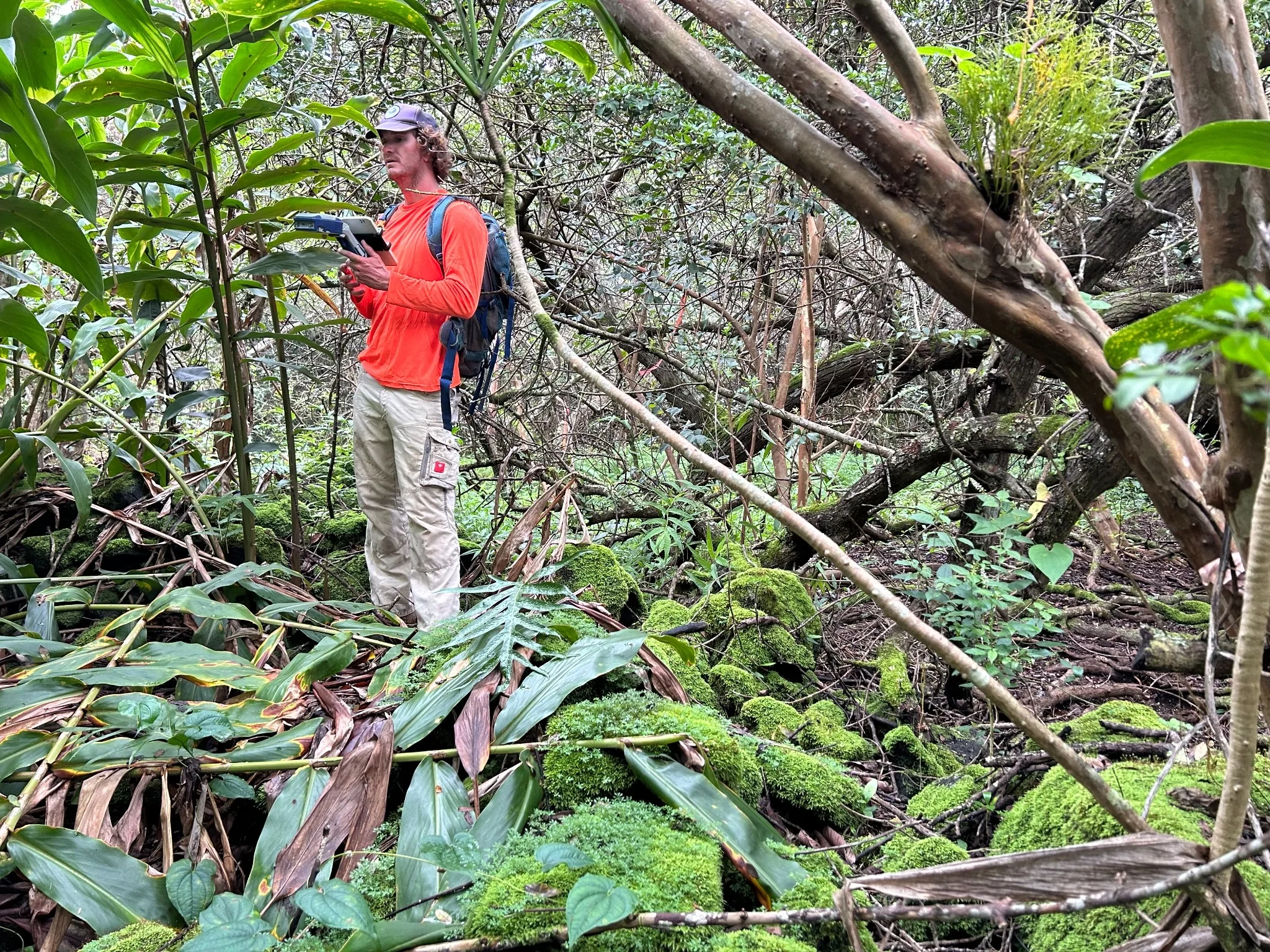
Preliminary archaeological investigation used to assess the presence, nature, and general distribution of cultural resources within a project or study area. May include background research, systematic pedestrian survey, GPS documentation, photography, and preliminary characterization of identified features. Findings can inform project planning, stewardship priorities, and recommendations for additional archaeological work, when appropriate.
-
Provides technical research and consultation support for projects subject to Section 106 of the National Historic Preservation Act (NHPA). Services may include identification and evaluation of historic properties, consultation with Native Hawaiian Organizations and other consulting parties, assessment of project effects, and development of measures to avoid, minimize, or mitigate adverse effects. Conducted in accordance with Section 106 of the NHPA (54 U.S.C. § 306108) and its implementing regulations, 36 CFR Part 800, Protection of Historic Properties.
Technical Archaeological Studies
Technical Cultural Studies & Interpretation
-
Evaluates how a proposed project may affect cultural practices, resources, and the communities connected to a place. Cultural Impact Assessments combine archival research, community consultation, and cultural analysis to identify potential impacts and inform appropriate mitigation and stewardship measures in support of environmental review pursuant to HRS Chapter 343 and HAR Chapter 11-200.1.
-
Evaluates traditional and customary Native Hawaiian practices and rights associated with a place and considers how they may be affected by a proposed action. Through archival research and consultation with cultural practitioners and communities, the analysis identifies the nature and extent of customary practices, assesses potential impacts, and recommends measures for their reasonable protection in accordance with the framework established in Ka Paʻakai O Ka ʻĀina v. Land Use Commission (2000) and Article XII, Section 7 of the Hawaiʻi Constitution.
-
Explores the cultural history, land use, traditions, and relationships associated with a particular place, community, or topic. Drawing from archival records, historical maps, Hawaiian-language sources, oral histories, and other primary and secondary materials, ethnohistorical studies can be tailored to address specific research questions or explore cultural or herirage opportunities identified by the client.
-
Transforms cultural and historical research into engaging, place-based interpretation for public spaces. Interpretive signage can incorporate moʻolelo, place names, historical accounts, archival materials, and other cultural information to help communities and visitors better understand the places they are in. Content is developed in collaboration with clients and communities to reflect the values and stories they consider appropriate.
the field, the office, and everywhere in between
-
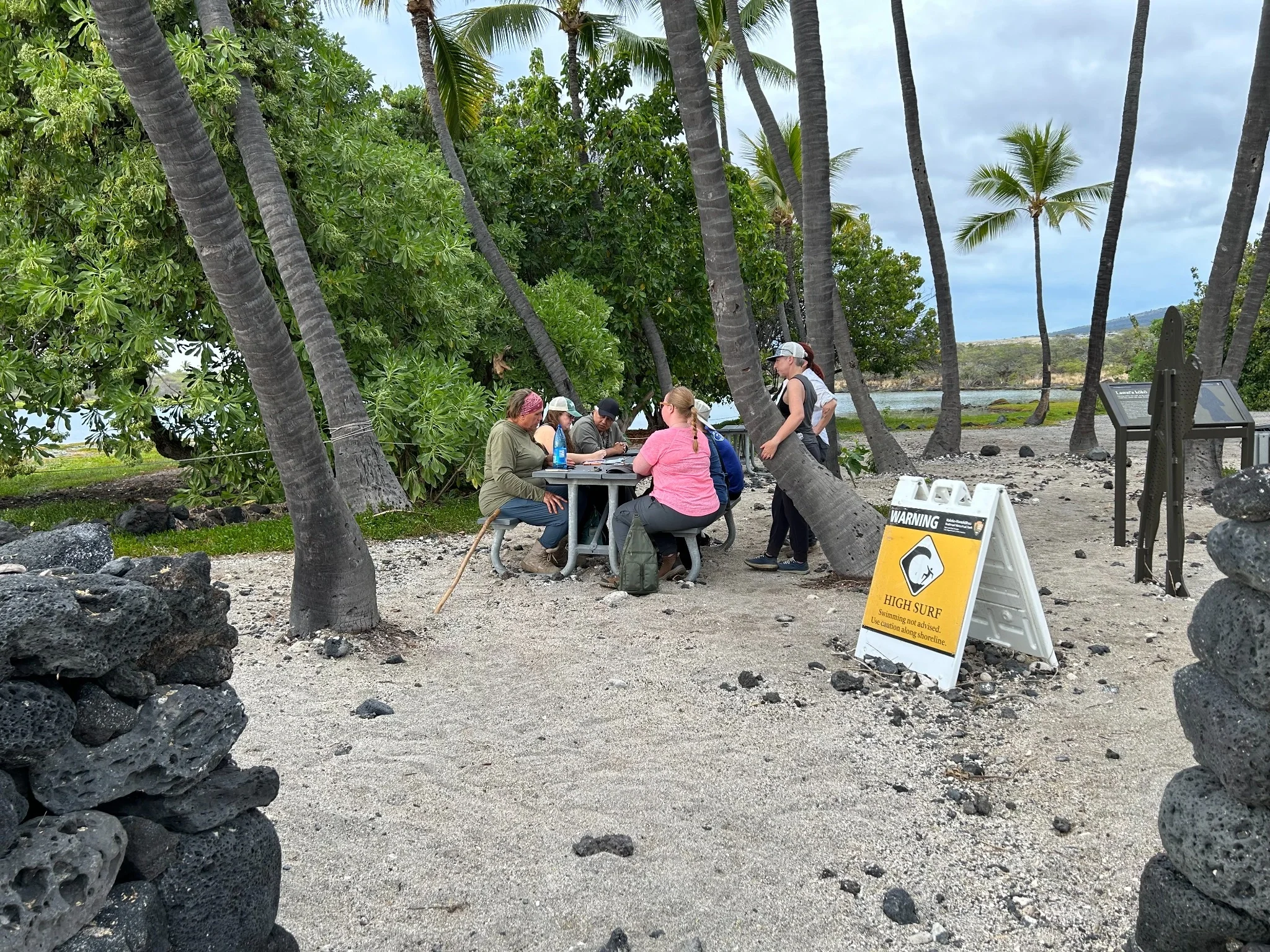
![Ala Kahakai Interpretive planning with South Kona community]()
Connect
-
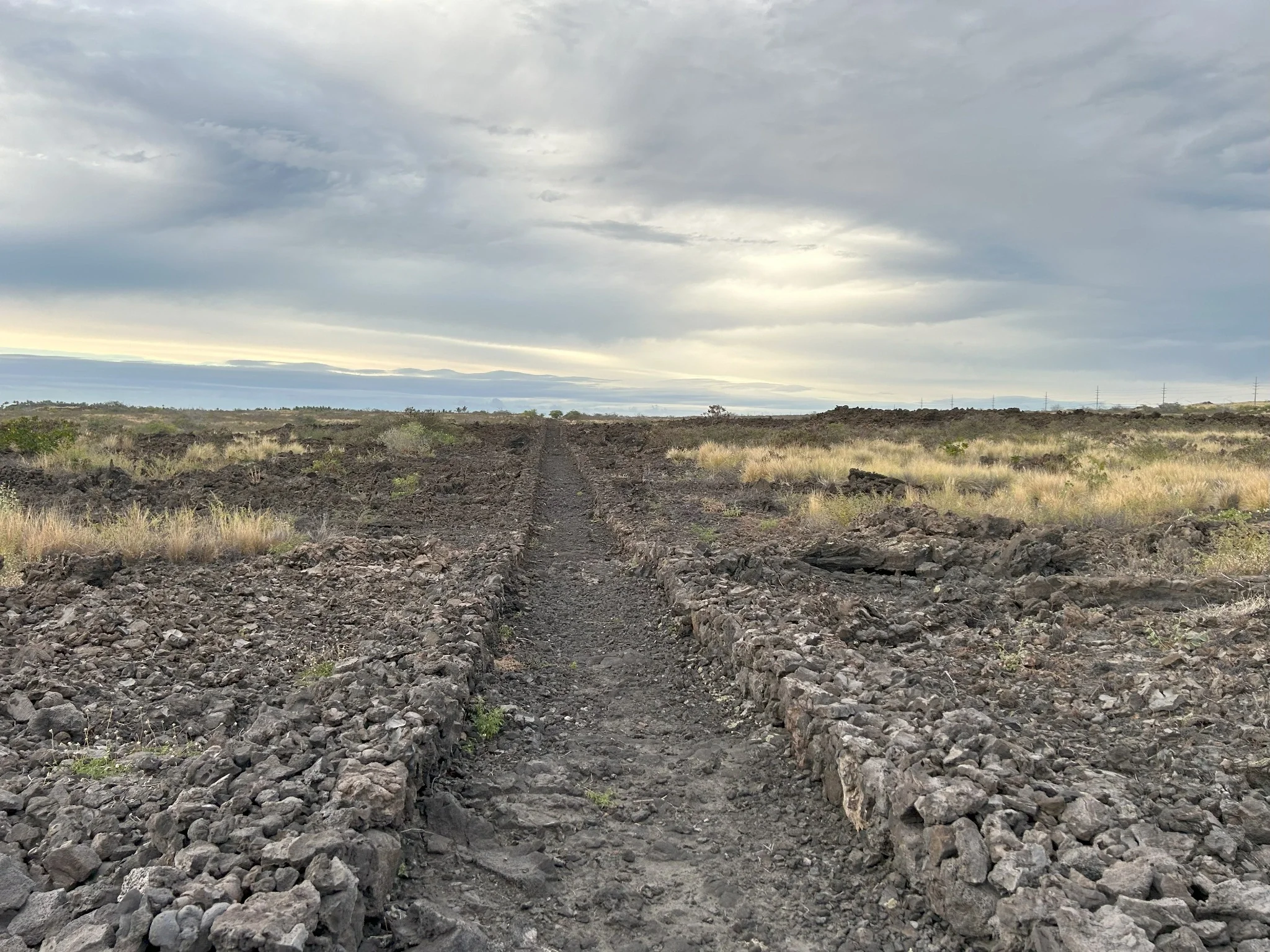
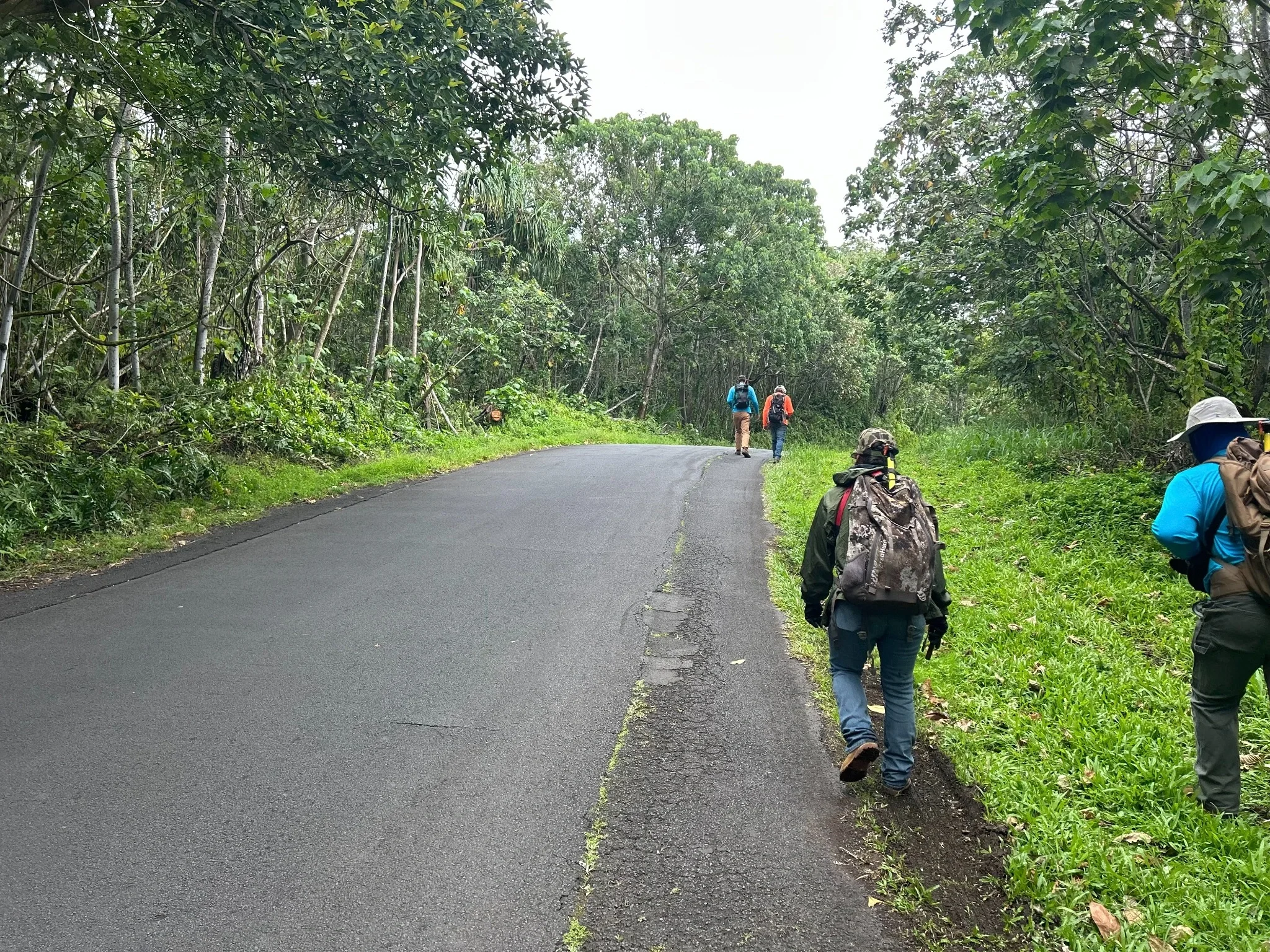
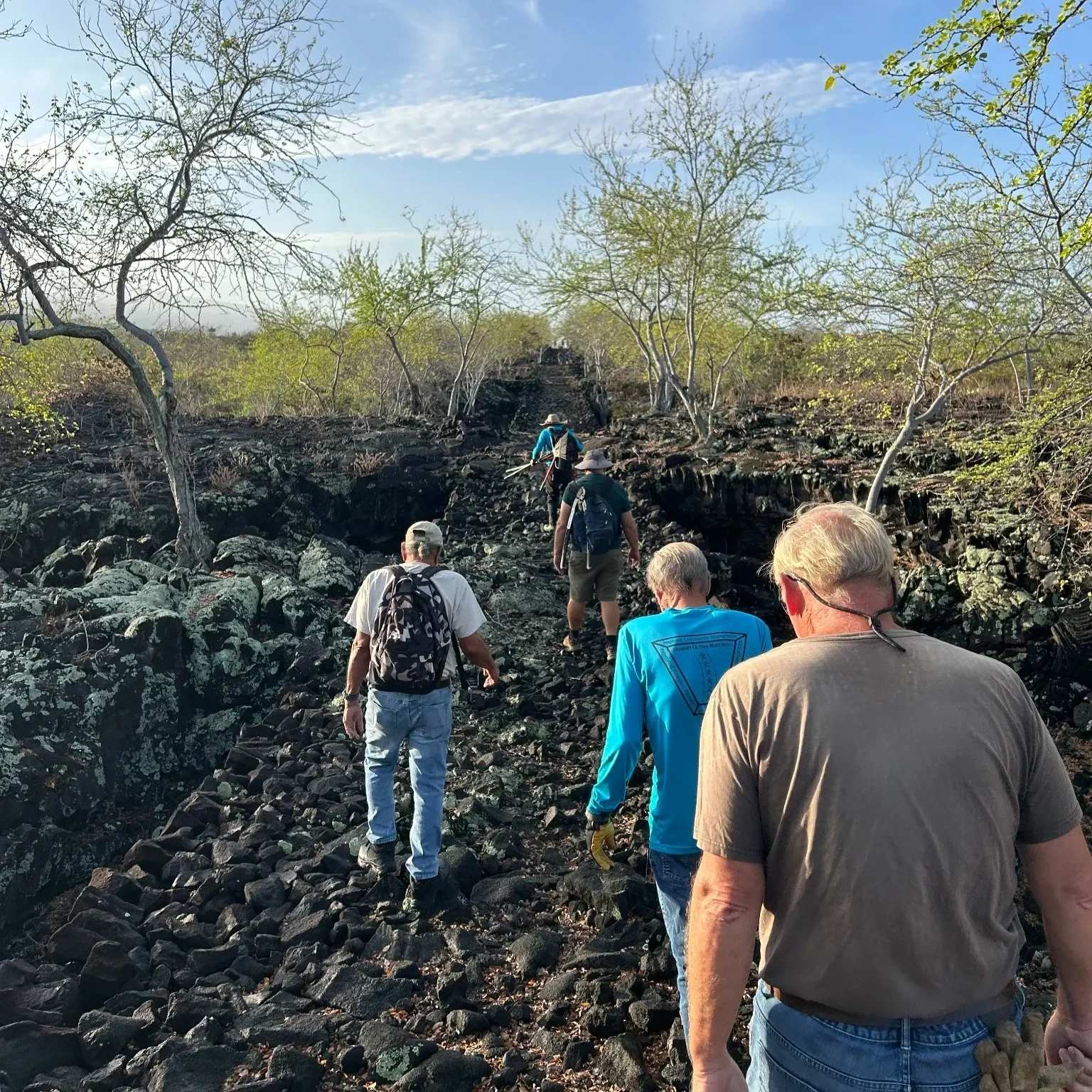
![Ala Nui Aupuni (Government Road) in North Kona, Hawaiʻi]()
Preserve
-
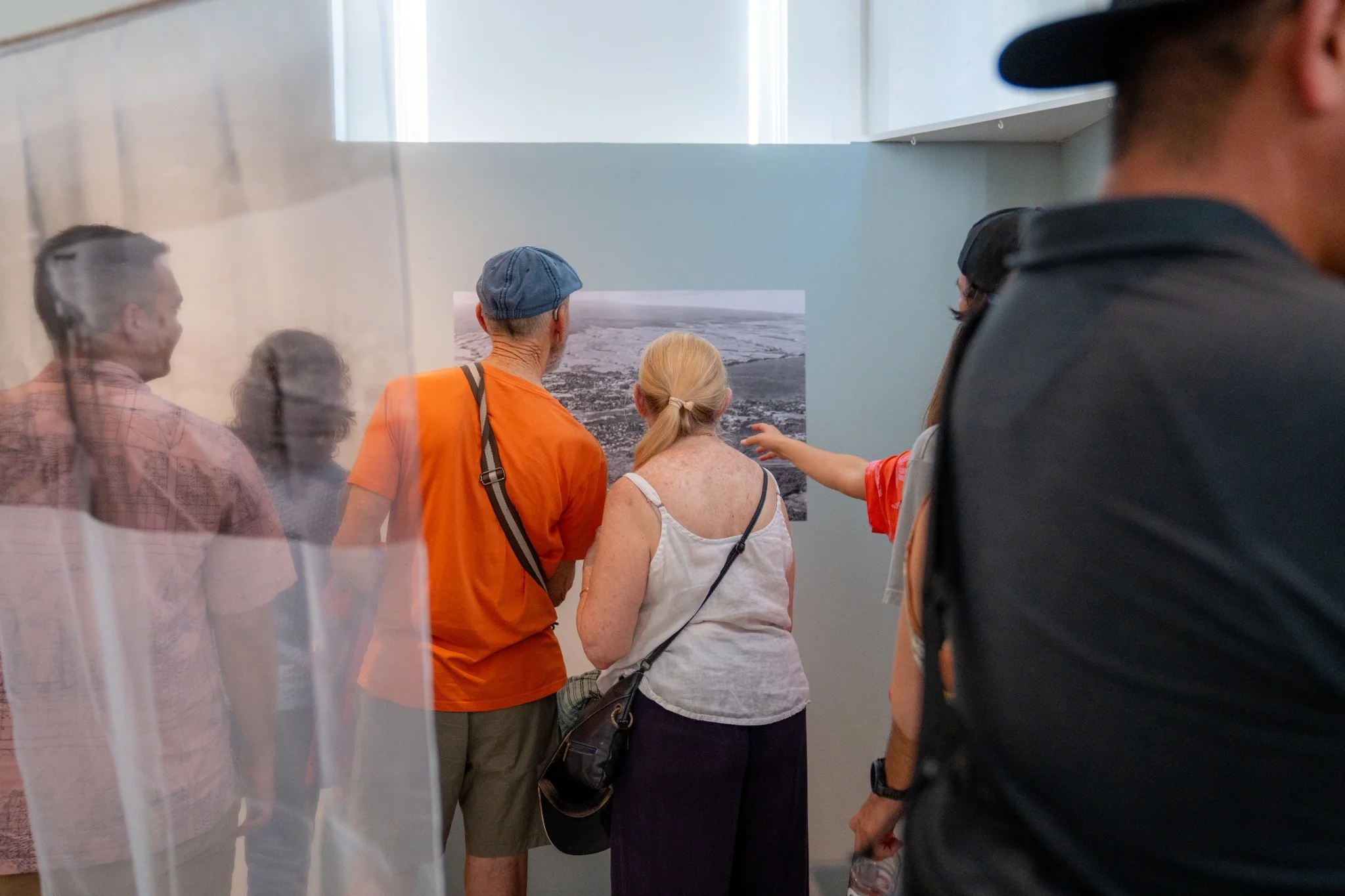
![Puāhilo Exhibit at the East Hawaiʻi Cultural Center]()
Understand
-
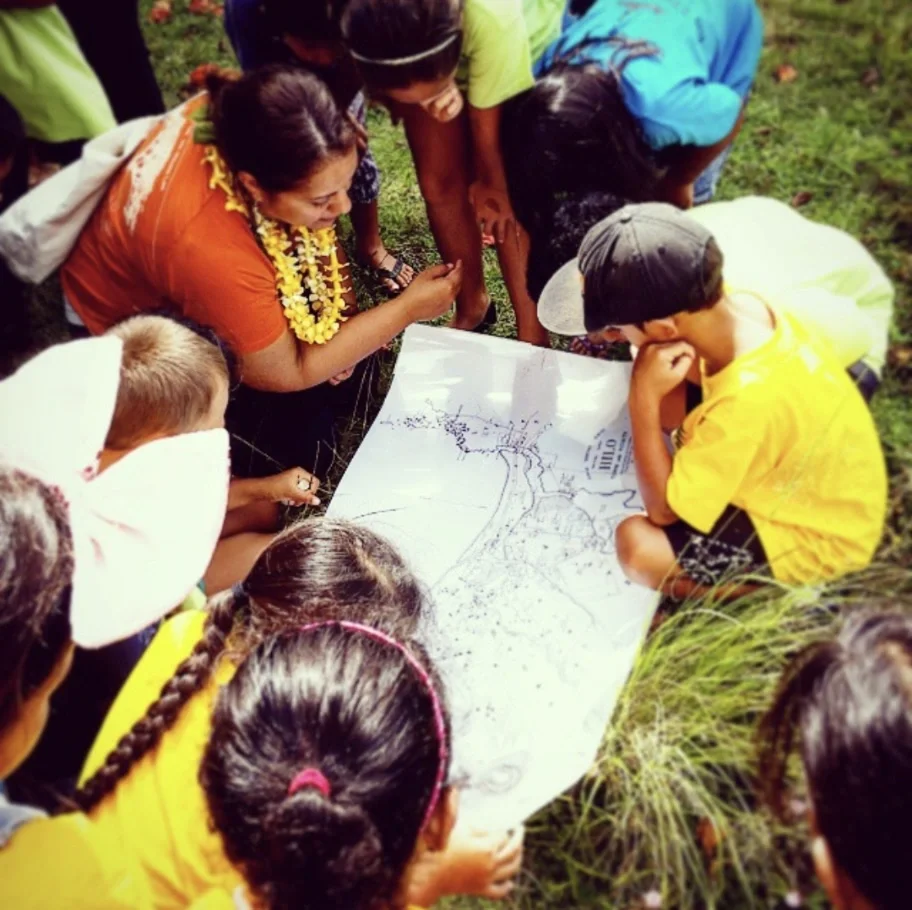
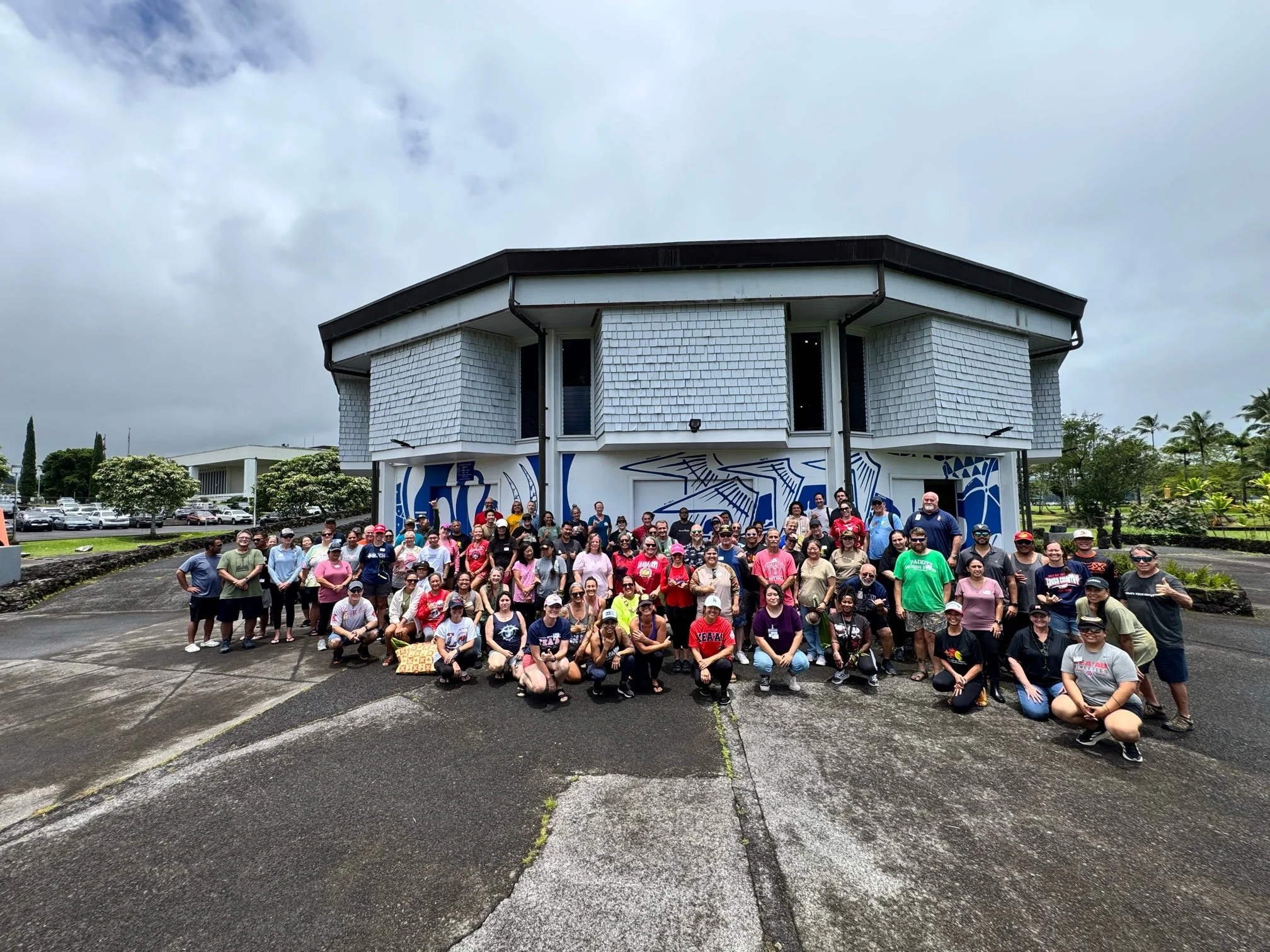
![Haumāna learn about the lands of Hilo]()
Next generation
-
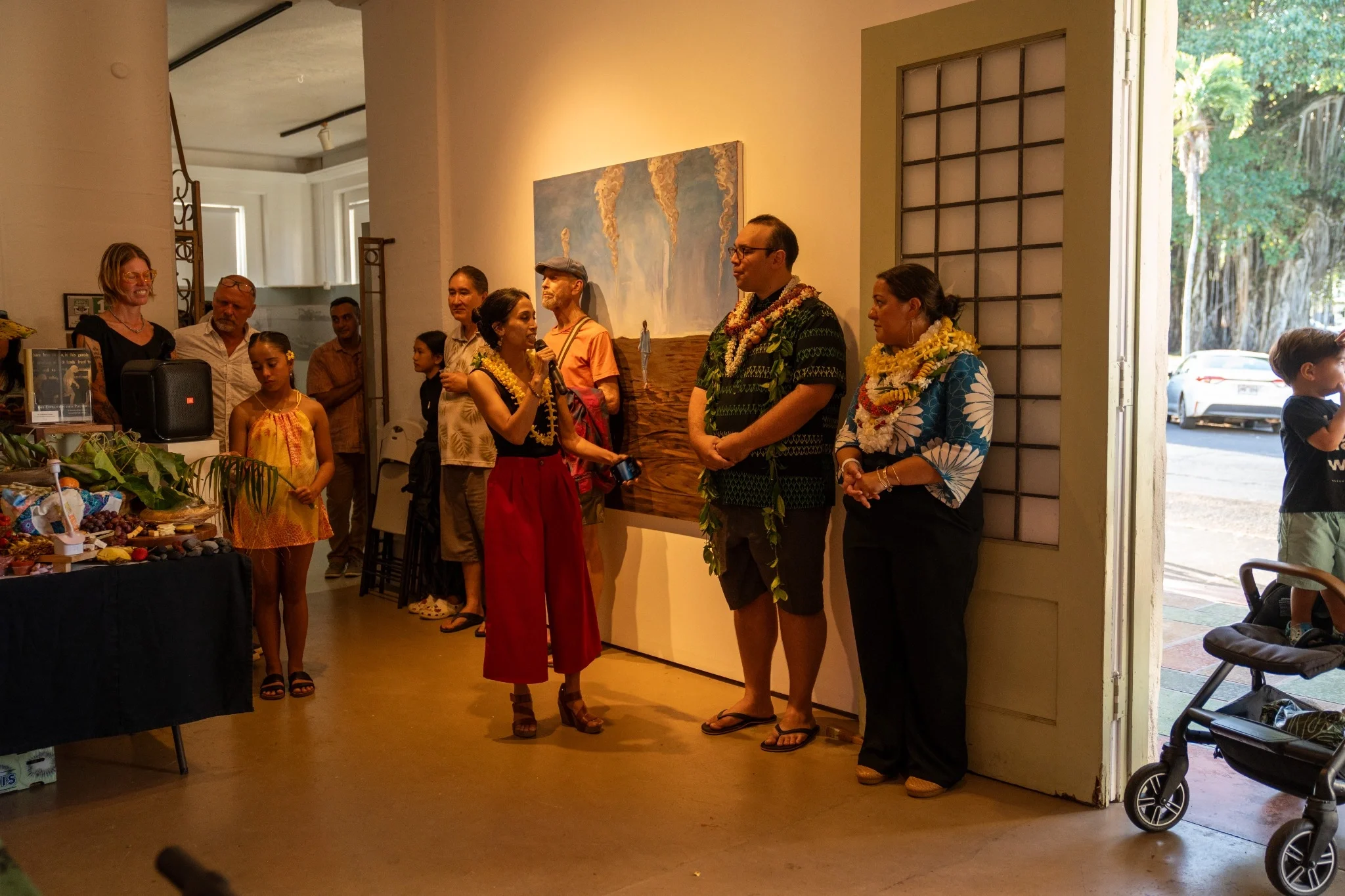
![Opening night of the Puāhilo Exhibit]()
Gather
-
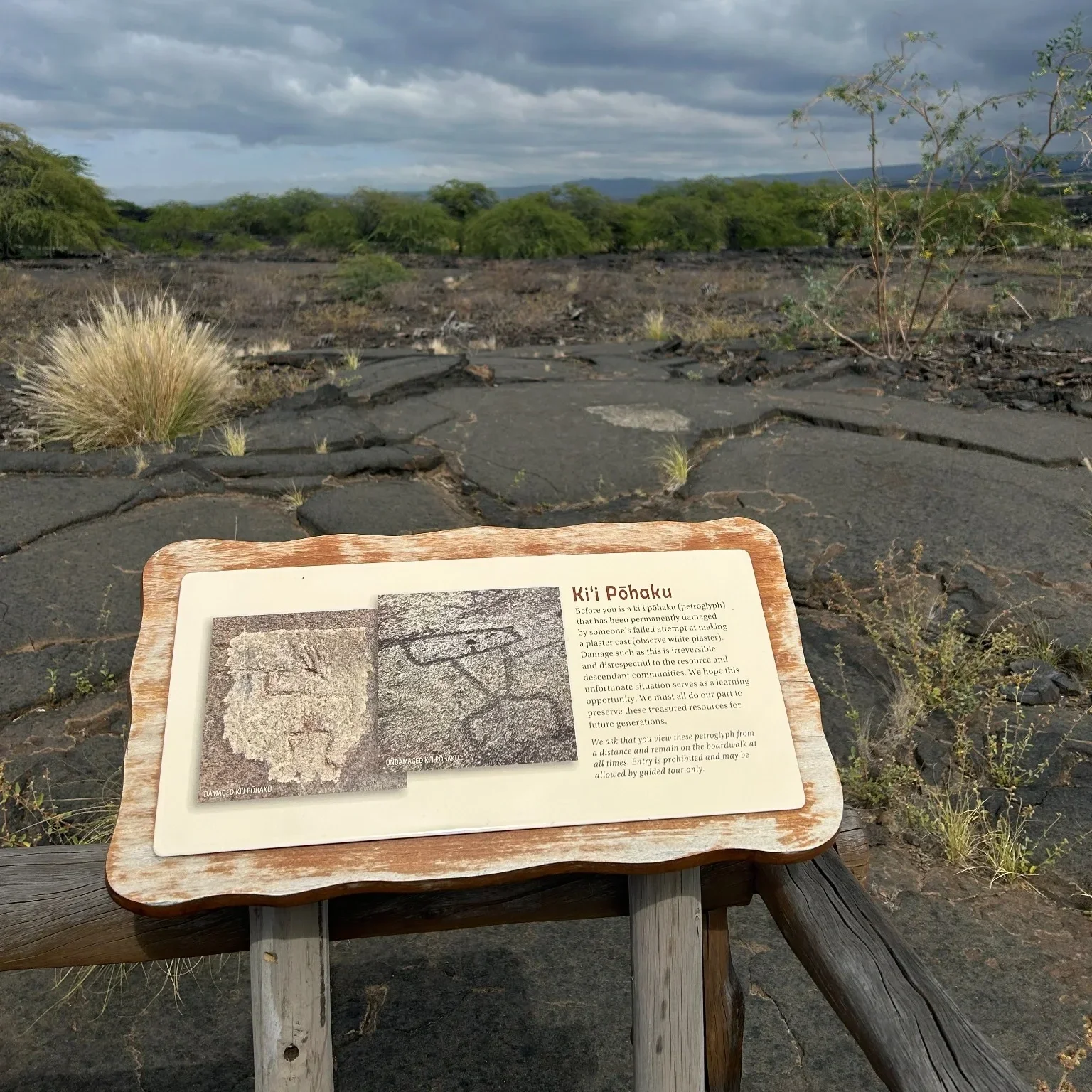
![Interpretive signage at the Kona Village, A Rosewood Resort in Kaʻūpūlehu, Kona, Hawaiʻi]()
Interpret
-
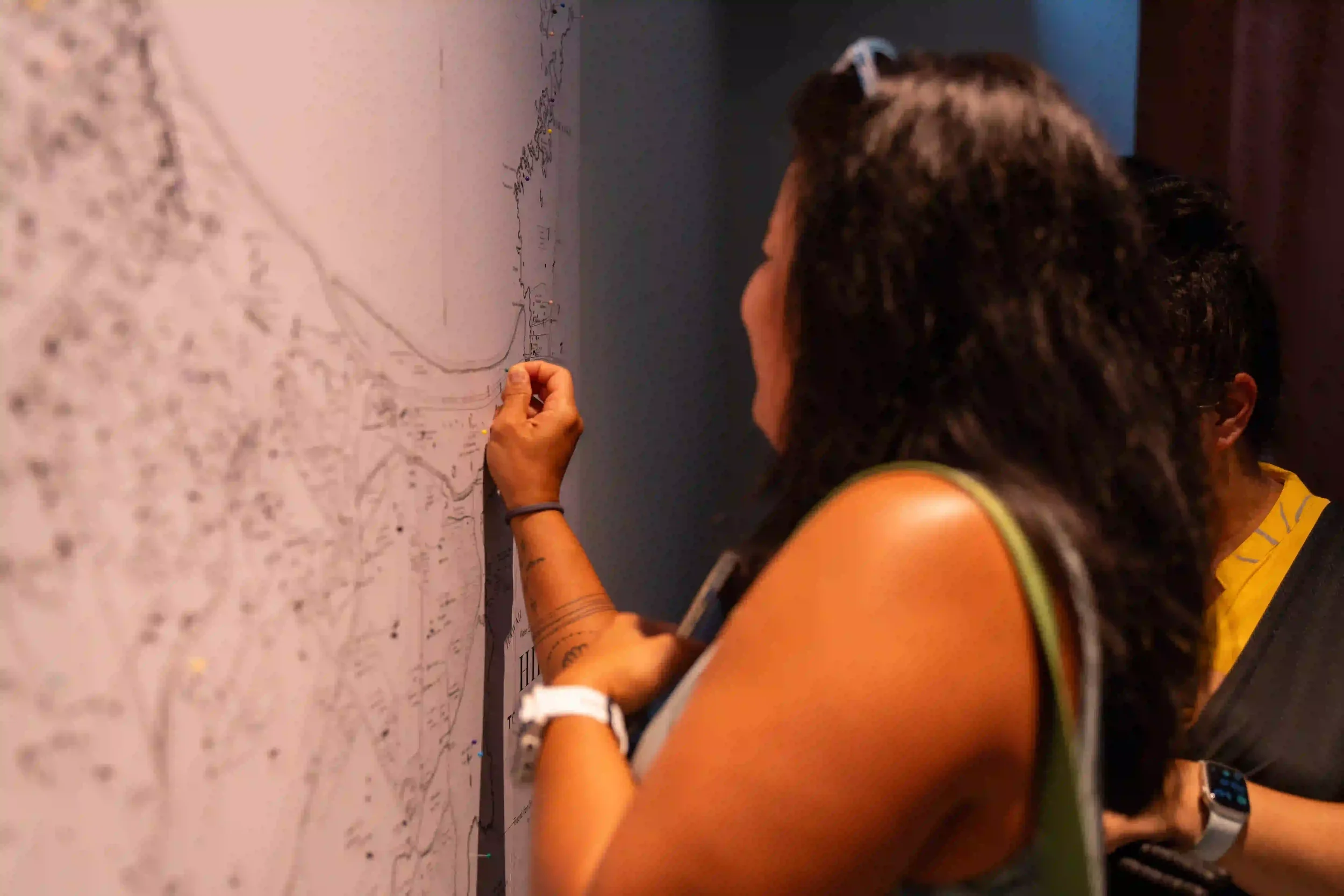
![Puāhilo exhibit encouraging people to find the places they are connected to]()
Reconnect
-
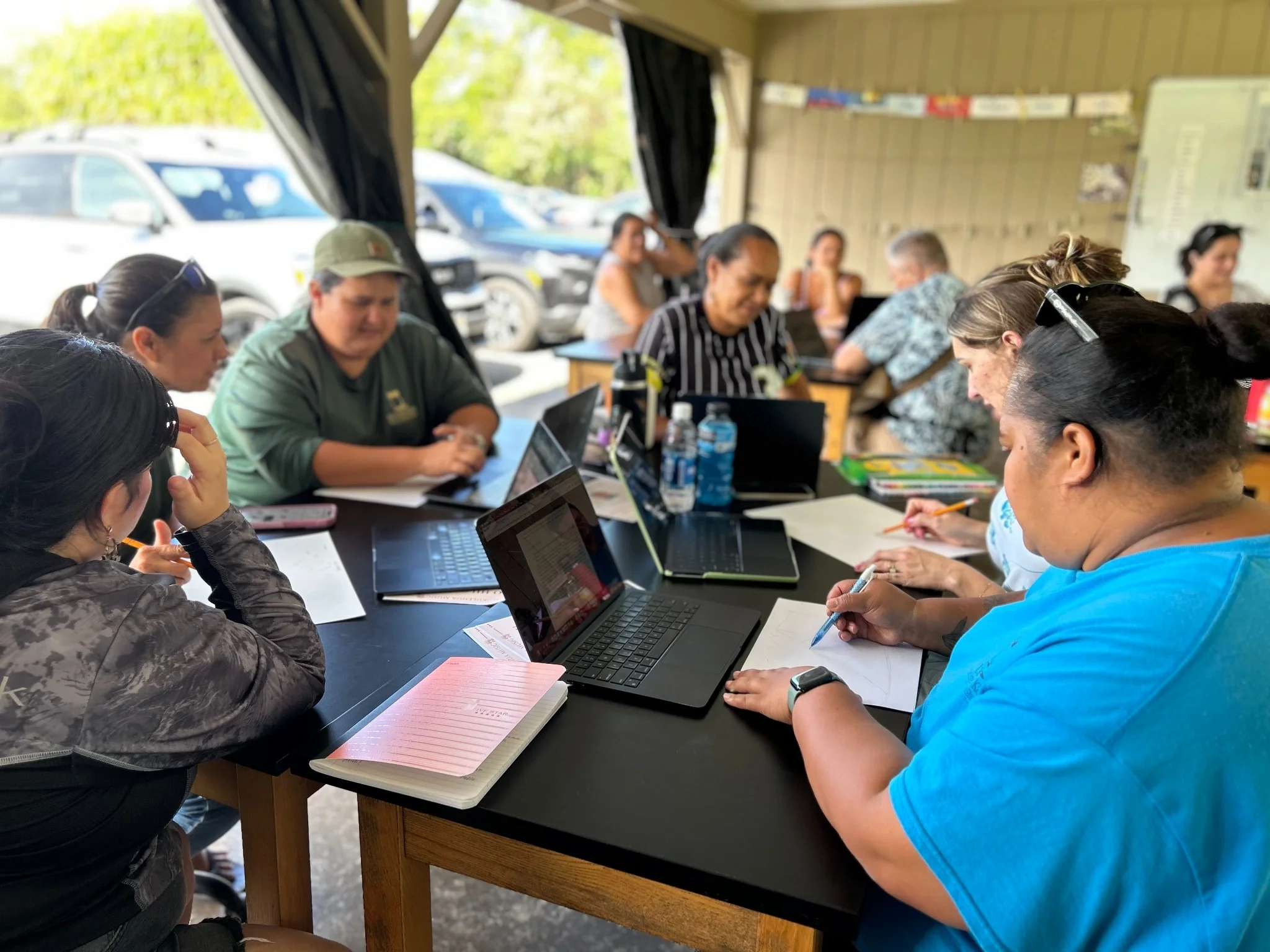
![Papahana Kuamoʻo with educators from Ka ʻUmeke Kāʻeo Public Charter School]()
Teach
-
![Waipiʻo Valley, Hāmākua, Hawaiʻi]()
Respect
-
![Kea'au High School on a huaka'i hele around Pi'opi'o]()
Inspire
-
![Field survey]()
Observe